
Agentic and GenAI
At GALEO, we build generative artificial intelligence solutions and agentic systems that operate in complex business environments. Our approach combines grounded technical architectures with agile implementation methodologies, allowing us to identify and develop use cases where AI generates measurable impact. We work with organizations facing demanding requirements for regulatory compliance, data security, and scalability, designing solutions that balance operational autonomy with centralized governance. The result is systems that transform critical processes while maintaining the control and traceability that business operations require.
Autonomous Agentic Systems
We develop agents capable of proactively executing tasks in business workflows: incident resolution, predictive maintenance, automated customer service. These systems combine reasoning capabilities with controlled access to business tools, allowing them to operate with supervised autonomy. The approach requires careful design of action limits, validation mechanisms, and escalation protocols when autonomy is not enough.
Specialized GenAI Assistants
We create language model-based tools adapted to specific domains: technical documentary analysis, report generation, contextualized expert support. Effective implementation requires curation of training data, adjustment of generation parameters, and interface design that facilitates human validation. The goal is to amplify the capabilities of specialized teams, not replace expert judgment.

Integration with Existing Business Systems
We connect generative AI capabilities with production technology infrastructures: ERP systems, CRM platforms, operational databases, internal APIs. This work involves understanding legacy architectures, designing appropriate abstraction layers, and managing the complexity of distributed systems. Effective integration requires a balance between flexibility and stability, allowing evolution without compromising critical operations.

Visualization and Explainability
We design interfaces that expose the reasoning of AI systems: decision traces, visualization of chains of thought, confidence metrics. Explainability is not only technical but communicational: translating algorithmic processes into understandable narratives for non-technical stakeholders. This includes dashboards that connect agent actions with business results, facilitating both operational supervision and continuous improvement.

Infrastructure and Orchestration
We implement the technical layer that allows AI systems to function in production: deployment of models both via API and on-premise, agent orchestration frameworks, observability systems. The architecture addresses latency requirements, operational costs, and data confidentiality. We use MLOps pipelines that allow rapid iteration while maintaining service stability.

Security and Compliance Framework
We apply governance policies by design: granular access control, exhaustive activity logging, output validation before execution. We implement guardrails that prevent undesired behaviors and auditing mechanisms that satisfy regulatory requirements. The work includes both technical controls (prompt validation, response filtering) and organizational protocols (use case review, risk assessment).

Our Vision + Benefits
We believe that generative AI and agentic systems generate value when deeply integrated with real business processes, not as isolated demonstrations. Our approach prioritizes implementations that scale sustainably, where the benefits justify the additional operational complexity.
Control Autonomy:
Agents execute routine tasks, freeing up the capacity of specialized teams, while escalation protocols ensure that critical decisions require human validation. Operational autonomy works within governance frameworks that maintain strategic oversight of automated actions.

Amplification of Capabilities:
Smart assistants reduce times in documentary analysis and report generation when integrated into established workflows. The impact emerges from the combination of repetitive task automation and preservation of expert judgment in complex decisions requiring context.

Sustainable Technical Scalability:
We design infrastructures that support growing volumes and adaptable governance frameworks for new regulated use cases. The architecture addresses both operational growth and the evolution of compliance controls, balancing technical flexibility with long-term organizational sustainability.
Success Stories

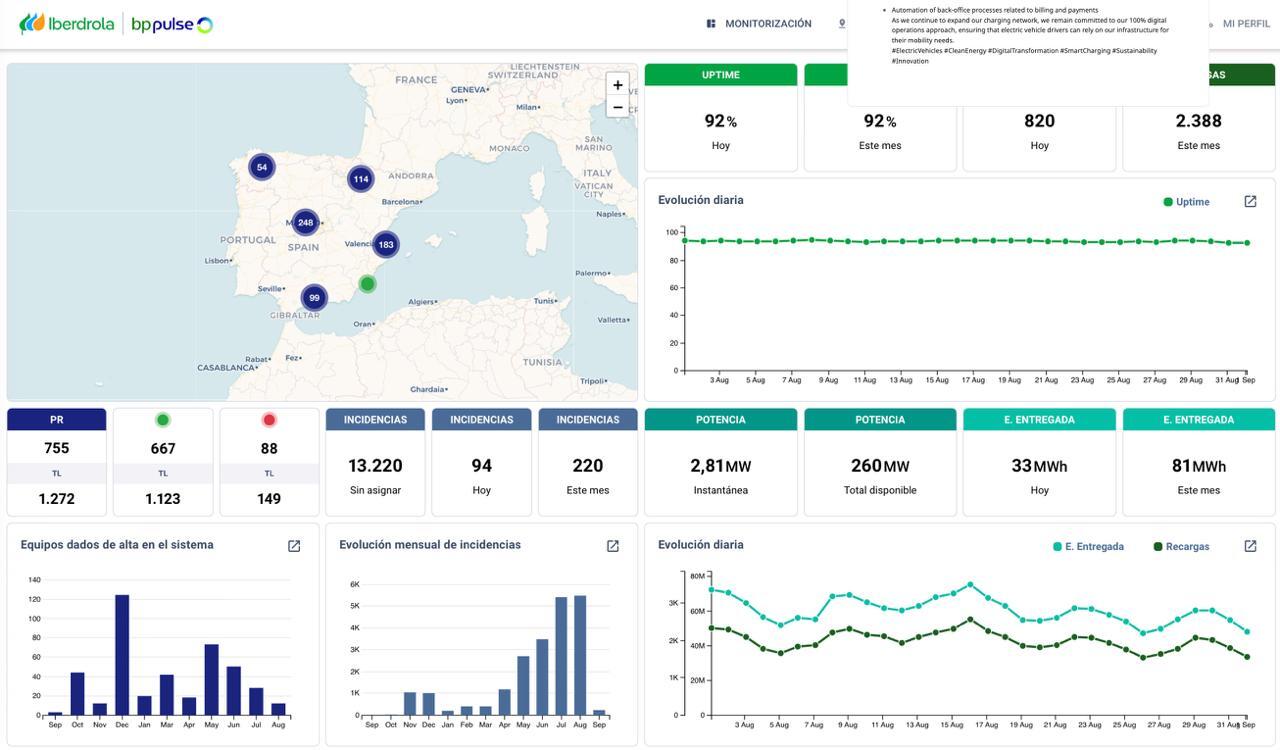
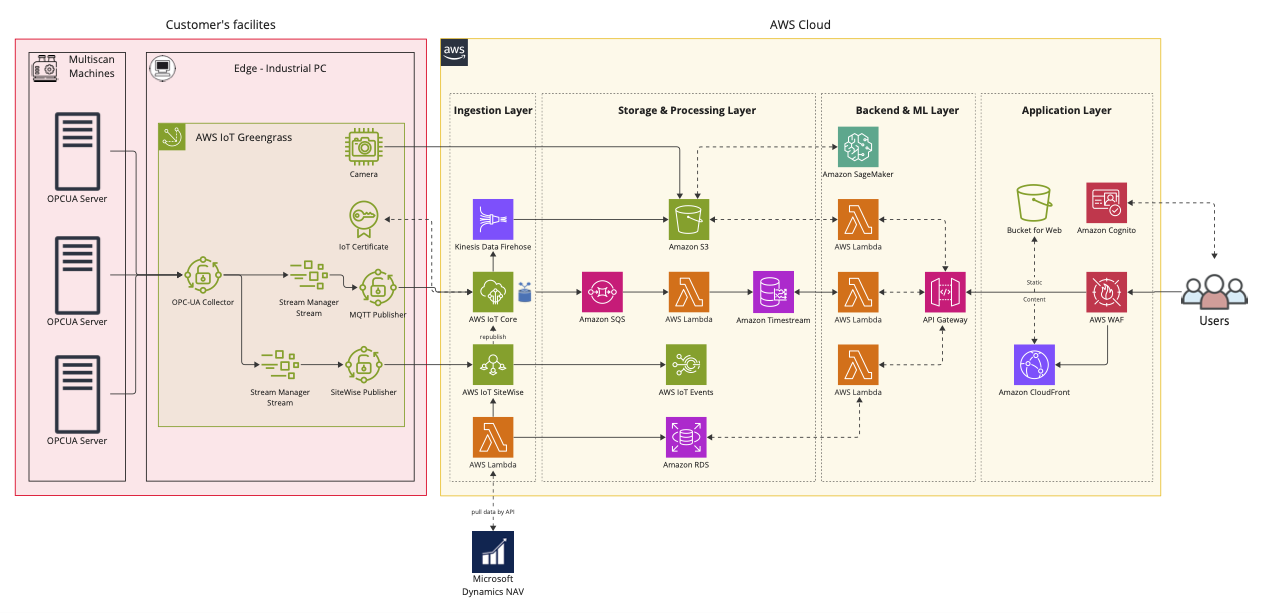



Our
Project Book
What is our Project Book? We wanted to document some of our most important projects and also reflect on our learnings and mistakes, and for this we have created this first Project Book that we share with you and that we hope to continue sharing in the years to come.

Ricardo Edo
CTO
Want to talk to an expert?
Impact Hub Picasso
Plaza Pablo Ruiz Picasso, 1 (AZCA)
28020 – Madrid
Asturias Offices
Lugar Monte Alto, 1A
33012 – Oviedo, Asturias
